Jul 6 2007

MARTINIQUE DANCES TO ITS OWN MUSIC

The sound of music adds a lively pulse to daily life throughout the year in Martinique. The island is famous for hosting festivals for jazz and guitar that attract the best musicians and devoted fans from around the world. Martinique also has dozens of local music festivals and, of course, carnival season has its own distinct music and dances.

Music in Martinique is different from the salsa, merengue and reggae heard around the Caribbean—and the people of Martinique are proud of the original, traditional music that gave birth to the special rhythms on their island.

The style known as bele goes back to the time of slavery, when a drummer and singer played for people who wanted to dance even when they were exhausted from long hours of hard work. Gradually, other instruments were added to the mix and a unique style of communal music and dancing evolved that allowed the slaves to express their creative freedom and their artistic talent through bele.

For many years after the end of slavery, bele faded into the background. The sound was considered old-fashioned, too rural and a reminder of a difficult era. But in the 1950s, breakthrough artists began to bring bele into the urban environment, especially during carnival season, and blend bele with other Caribbean and Latin American music.

Their creative brilliance helped spark musical innovations in Martinique and Guadeloupe that led to the music called zouk, which became the rage in Paris and across the French-speaking world. Martinicans may enjoy and play many types of music, but they continue to honor their musical roots—

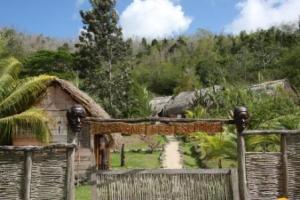
Bele is very much alive on the island, especially at the House of Bele where traditional songs and dances are performed with vibrant, modern energy. For excellent example of the music, and videos of musicians and dancers, go to www.martinique.org/about/music.htm for a link to the House of Bele website. Or, go directly to www.lamaisondubele.com. The House of Bele site is in French, but you won’t need to understand the language to enjoy this wonderful music.


Jul 6 2007

GREAT BEACH COMES WITH A UNIQUE STORY

It’s hard to improve on paradise but the longest beach on Martinique, with white sand stretching for more than six miles, has a view that comes with a great story.

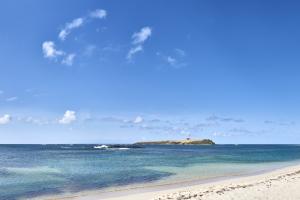
Diamond Beach, rated as one of the best beaches in the Caribbean by Frommer’s travel guides, faces a small offshore island with a unique claim—Diamond Rock was once officially registered as a sailing ship in the British navy, the man o’ war HMS Diamond Rock. Twenty armed sailors and five cannons were stationed on the island to control access to Fort-de-France and the southern tip of Martinique back in 1804, when the English and French were struggling for control of commerce throughout the Caribbean.

For more than a year, the English blockade of Martinique was so effective that Napoleon himself ordered the conquest of Diamond Rock. The French were successful, although the exact reasons for their victory are clouded by history—

Some accounts say the English were driven away after they lost their supply of fresh water on the tiny island. A more colorful version claims the French sent a raft loaded with barrels of rum floating toward Diamond Rock, then overwhelmed the thirsty and drunk defenders.

Whatever really happened, today you can kick back and enjoy the sun and the breeze on one of the Caribbean’s most beautiful beaches, and you won’t have to wait for a raft to bring you a refreshing rum drink.

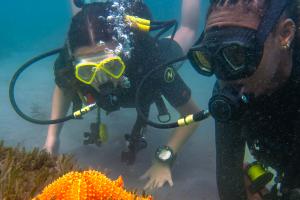
No one lives on Diamond Rock anymore, but if you feel like getting up out of your hammock, short excursions and scuba diving tours to this historic spot are easily arranged.

For details go on tours and packages