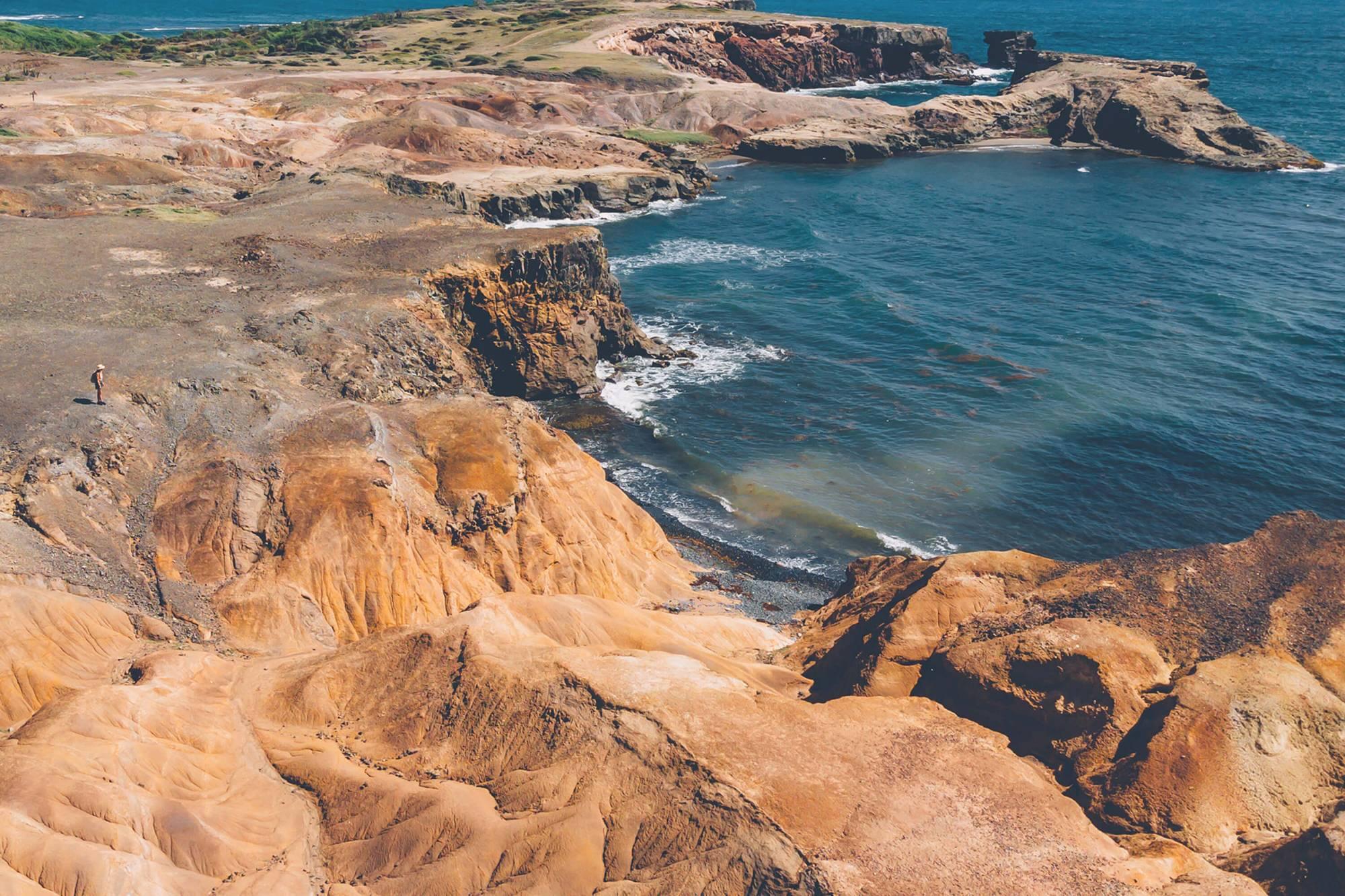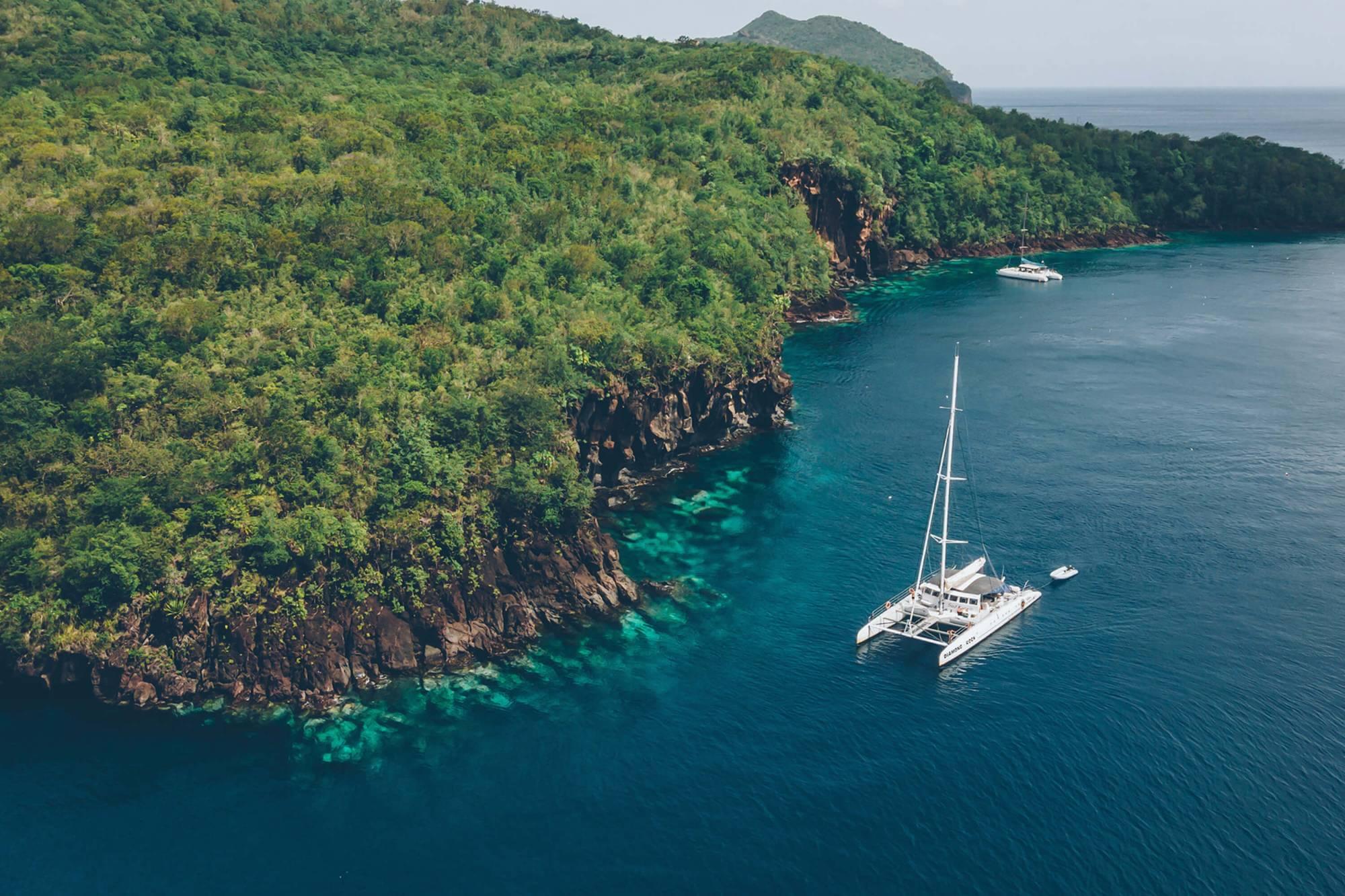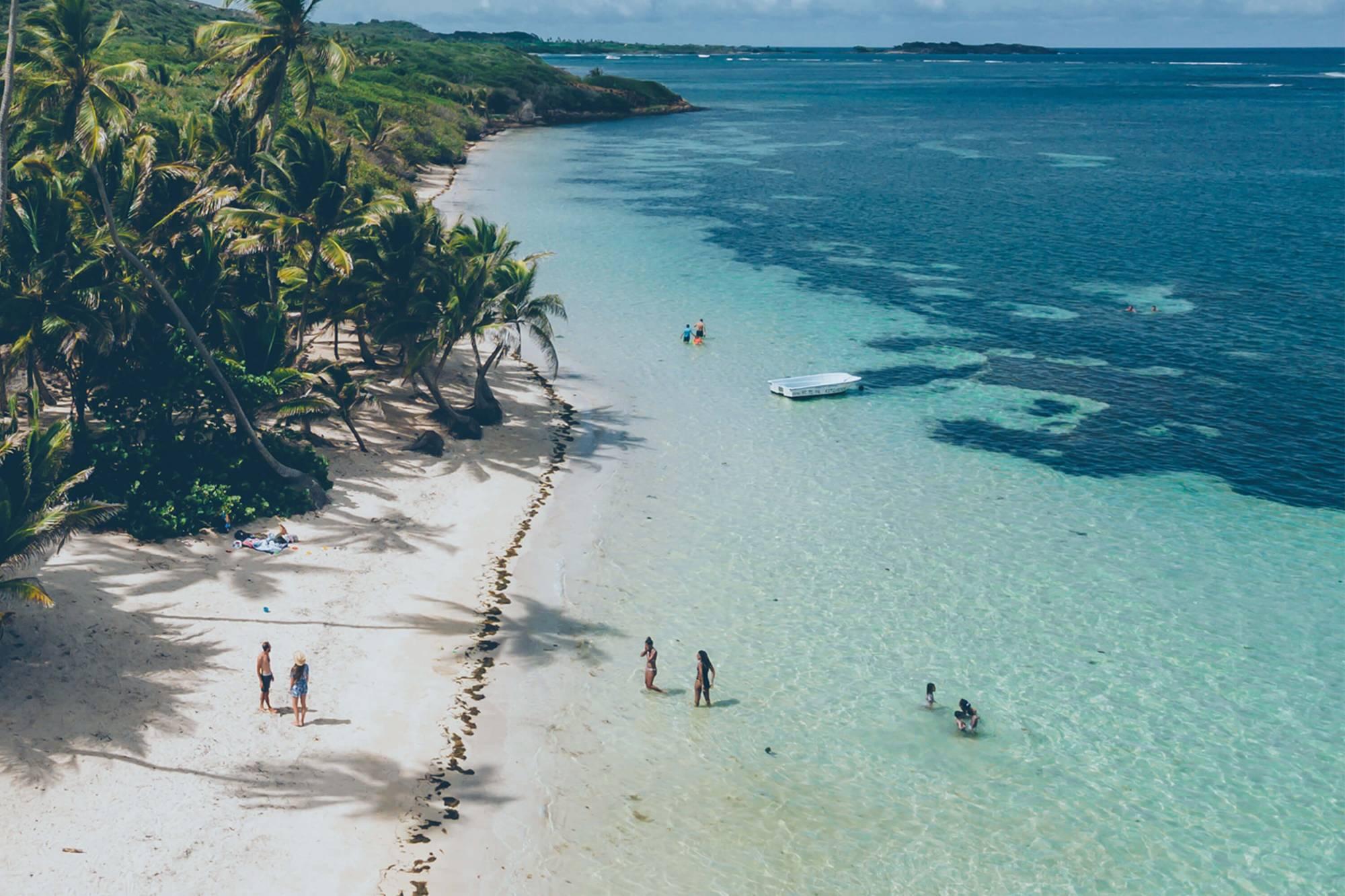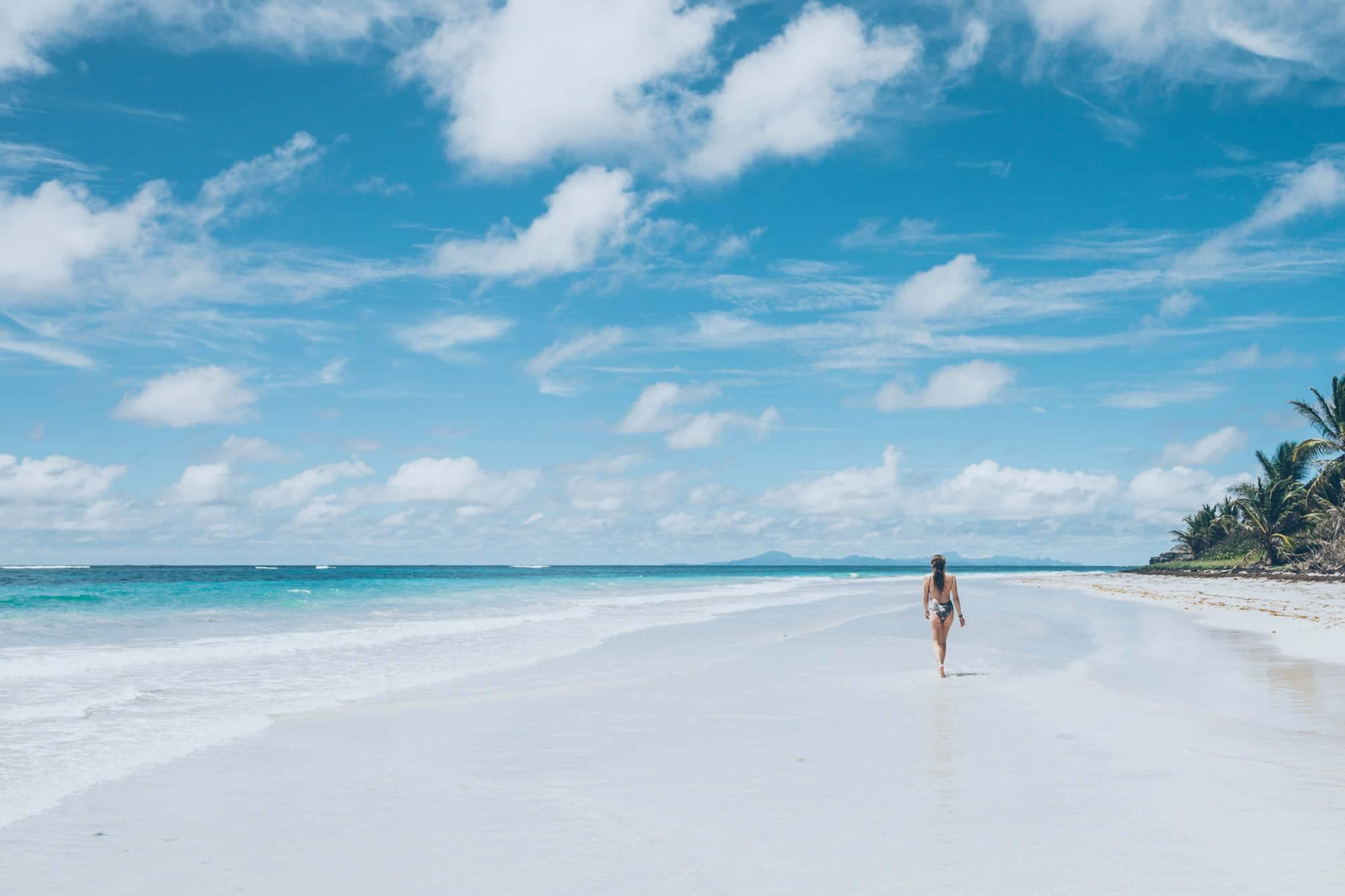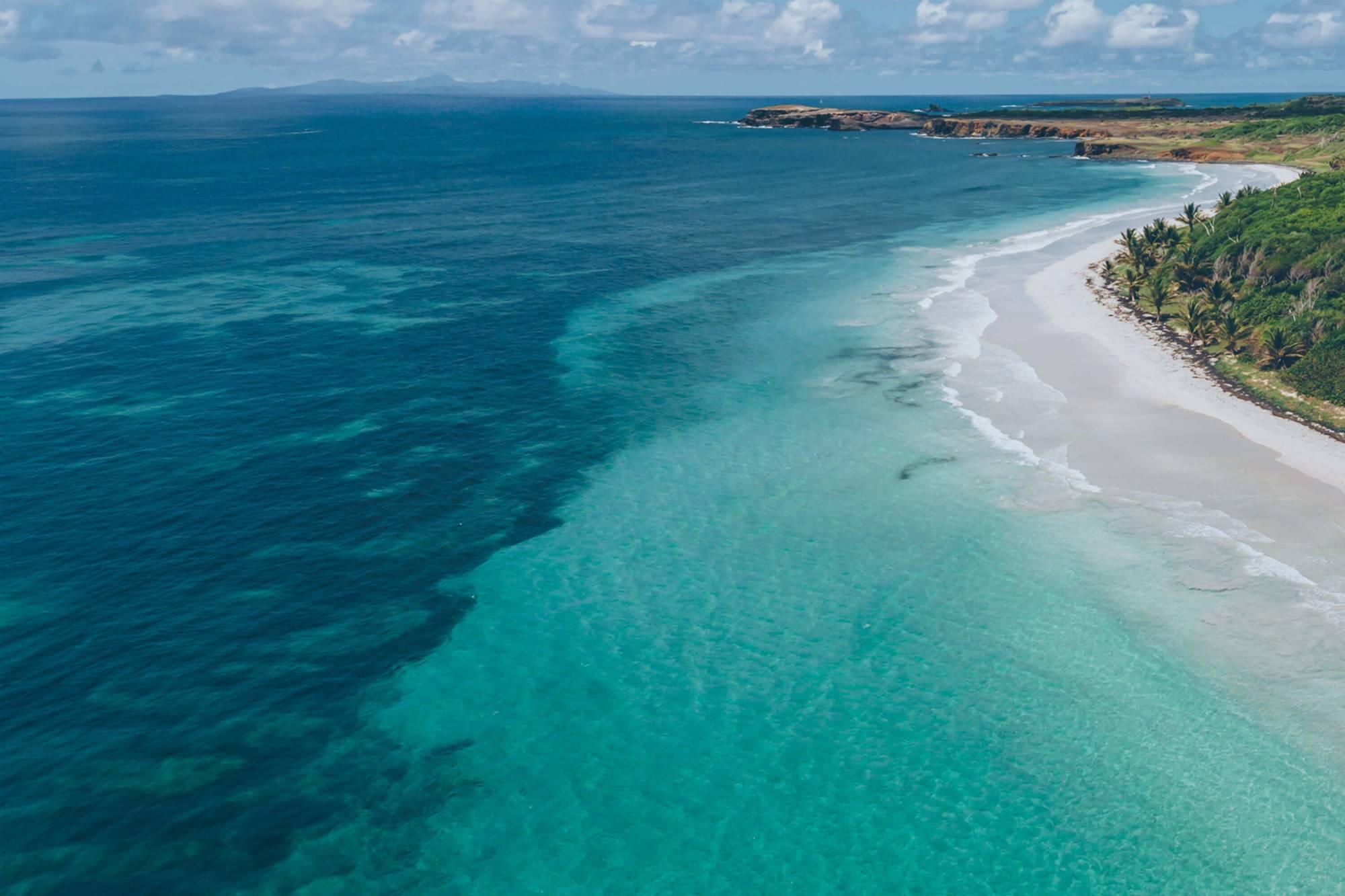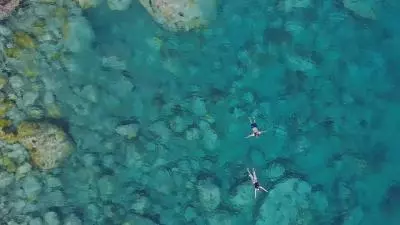
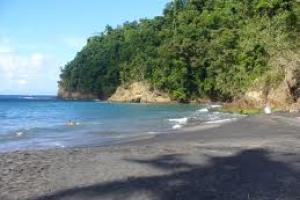
North Caribbean coast

"Bird of Paradise" flower
Martinique Map
When Columbus landed in 1502, the island we now know as Martinique was peopled by the Carib Indians who called it Matinino or Madinina. The Caribs had driven away the Arawaks who, like themselves, had come to this Caribbean island from South America. The island was claimed by France in 1635 and officially annexed by the King of France in 1674. France and Britain fought over the island until 1815, when it was restored to France. An important date in Martinique's history occurred 150 years ago on May 22, 1848, when slavery was abolished. In 1946, Martinique became a Department of France and in 1974 a Region of France.
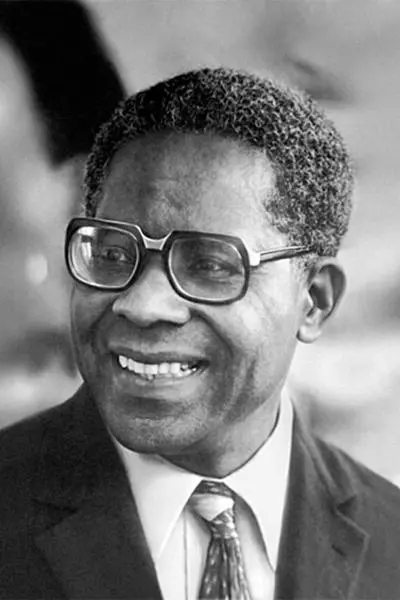
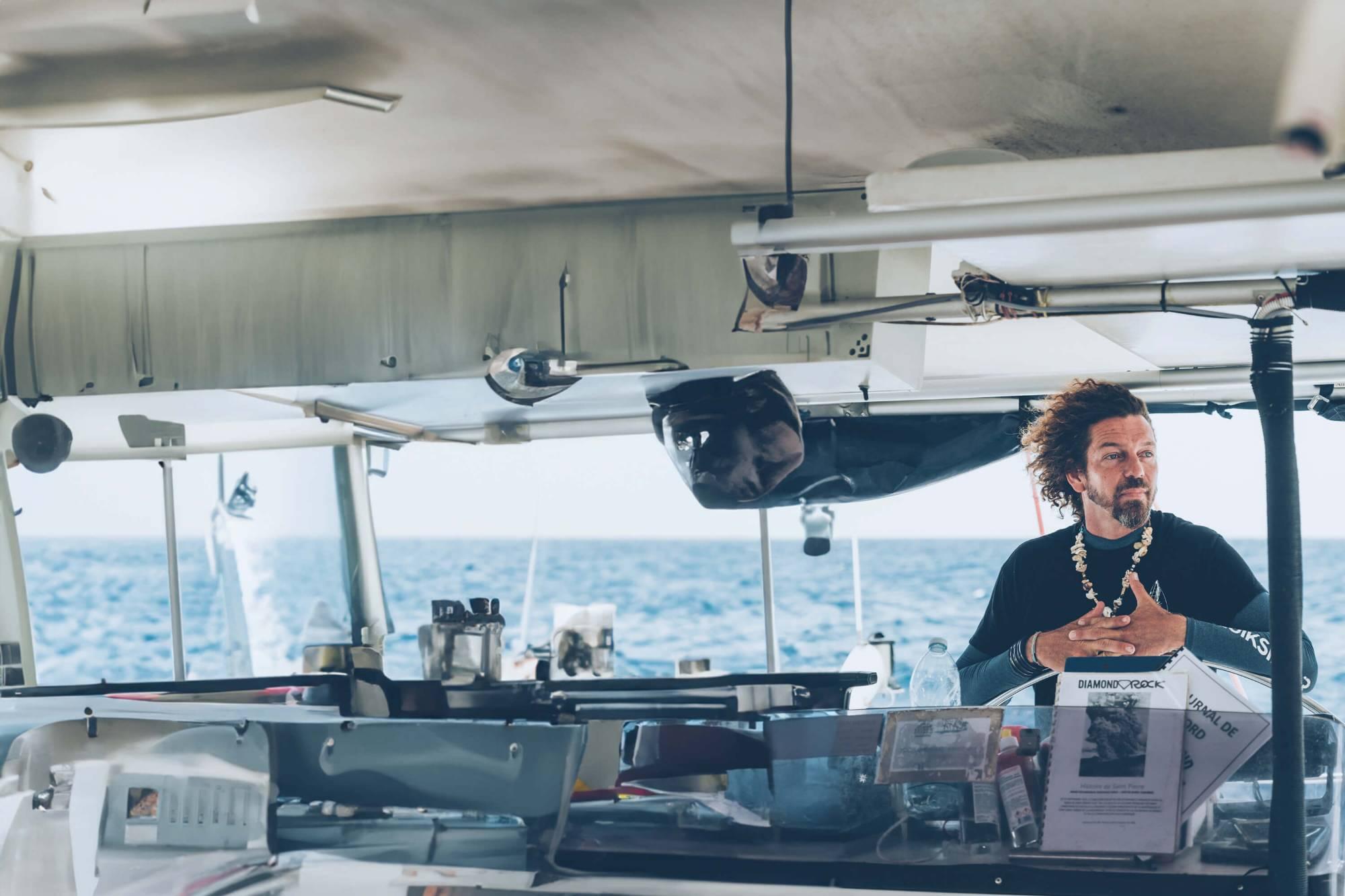
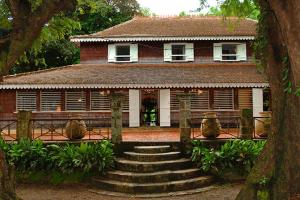
Historical sites worth seeing include La Pagerie, where Napoléon's Empress Joséphine was born in 1763 (the year that France relinquished rights to Canada in exchange for the French West Indies); Diamond Rock, a 600-ft. pinnacle in the sea manned by the British in 1804 and registered in the British Navy as an armed warship for 18 months, and St-Pierre, Martinique's principal city until May 8, 1902 when Mt. Pelée volcano erupted, wiping out the city and its 30,000 people in just three minutes.
KEY DATES IN MARTINIQUE'S HISTORY
With the exception of two short periods of British occupation, Martinique has followed the same course of history and government as France since 1635. The island’s administrative and political structures have been identical to those of French Departments (states) since 1946, when Martinique officially became a Department itself. It was granted the further status of Region in 1974. Fort-de-France is the administrative and commercial capital of the island.
The mean temperature averages 79°F. Two regular, alternating wind currents (east and northeast) cool the atmosphere. These are the tradewinds, called les alizés. There is only about a 5° difference between summer and winter temperatures.
Martinique lies in the heart of the Caribbean Archipelago and is one of the many islands which make up the group of Lesser Antilles, or "Breezy Islands."
The waters of the Atlantic Ocean lap its shores on the east and the Caribbean Sea is to the west. The island is located 4,261 miles from Paris (8 hours by plane) and approximately 275 miles from the northern coast of the South American continent. The closest two neighboring islands are Dominica (15.5 miles to the north) and Saint Lucia (23 miles to the south.)
Martinique is 1,965 miles from New York City, 1,470 miles from Miami, 2,270 miles from Montreal, and 425 miles from San Juan, Puerto Rico.
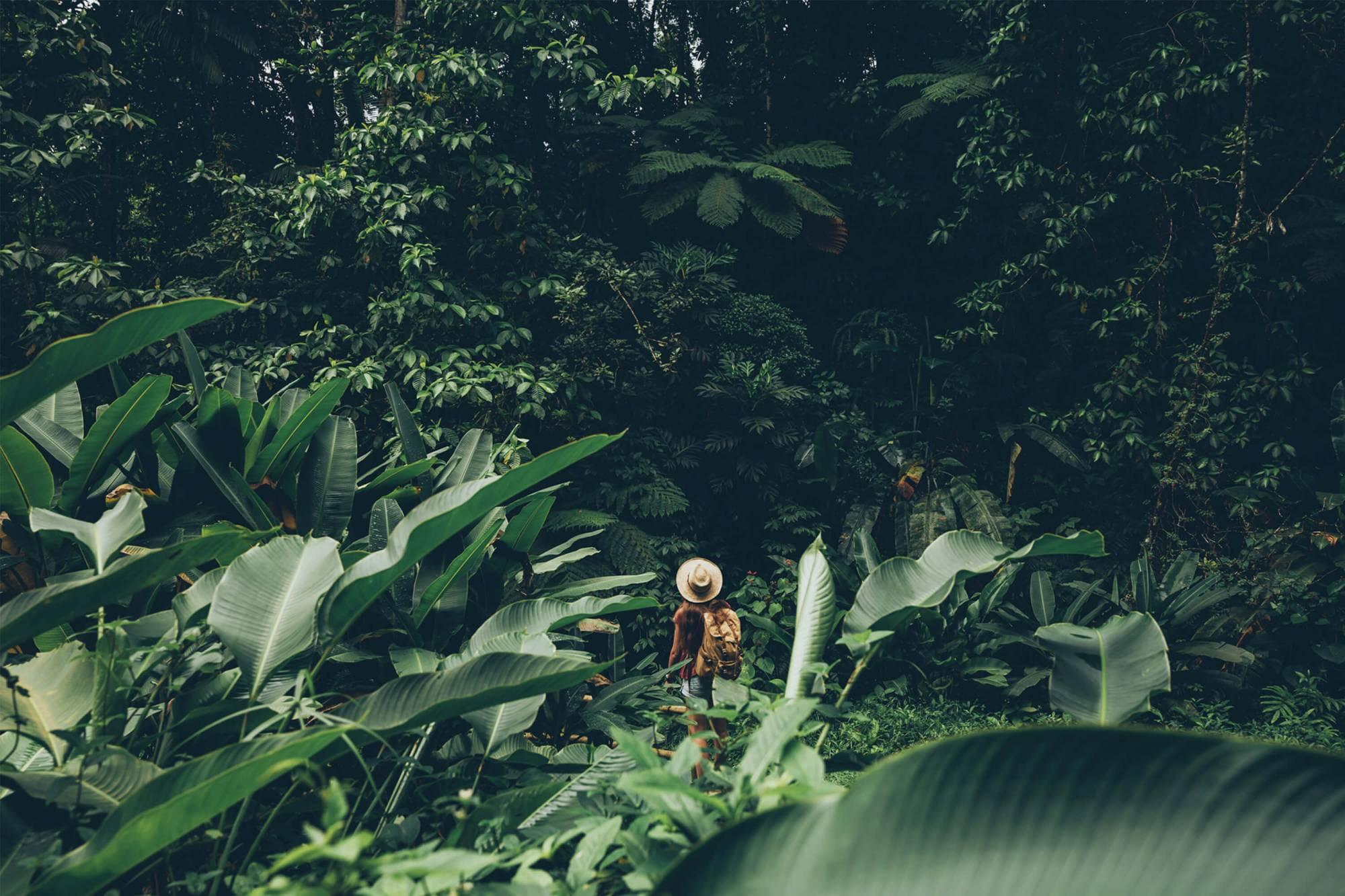
The island has a surface area of 426 square miles and at its greatest length and width measures 50 miles by 22 miles, respectively. The land rises gradually from the coast toward the center and northern parts of the island. In the north we find the two peaks -- Carbet and Mont Pelée, a dormant volcano that is the highest mountain on the island at 4,586 ft. This part of Martinique also is a legendary tropical rainforest. In the center of the island, the Lamentin Plain, made up of small rounded hills and enclosed valleys, slopes down toward the south. Salines Beach at the southernmost tip of Martinique comes straight out of a beautiful postcard.
The local population in Martinique is made up of various types of people. Their diversity is the result of the mixing by different ethnic groups that, at one time or another, have settled on the island.
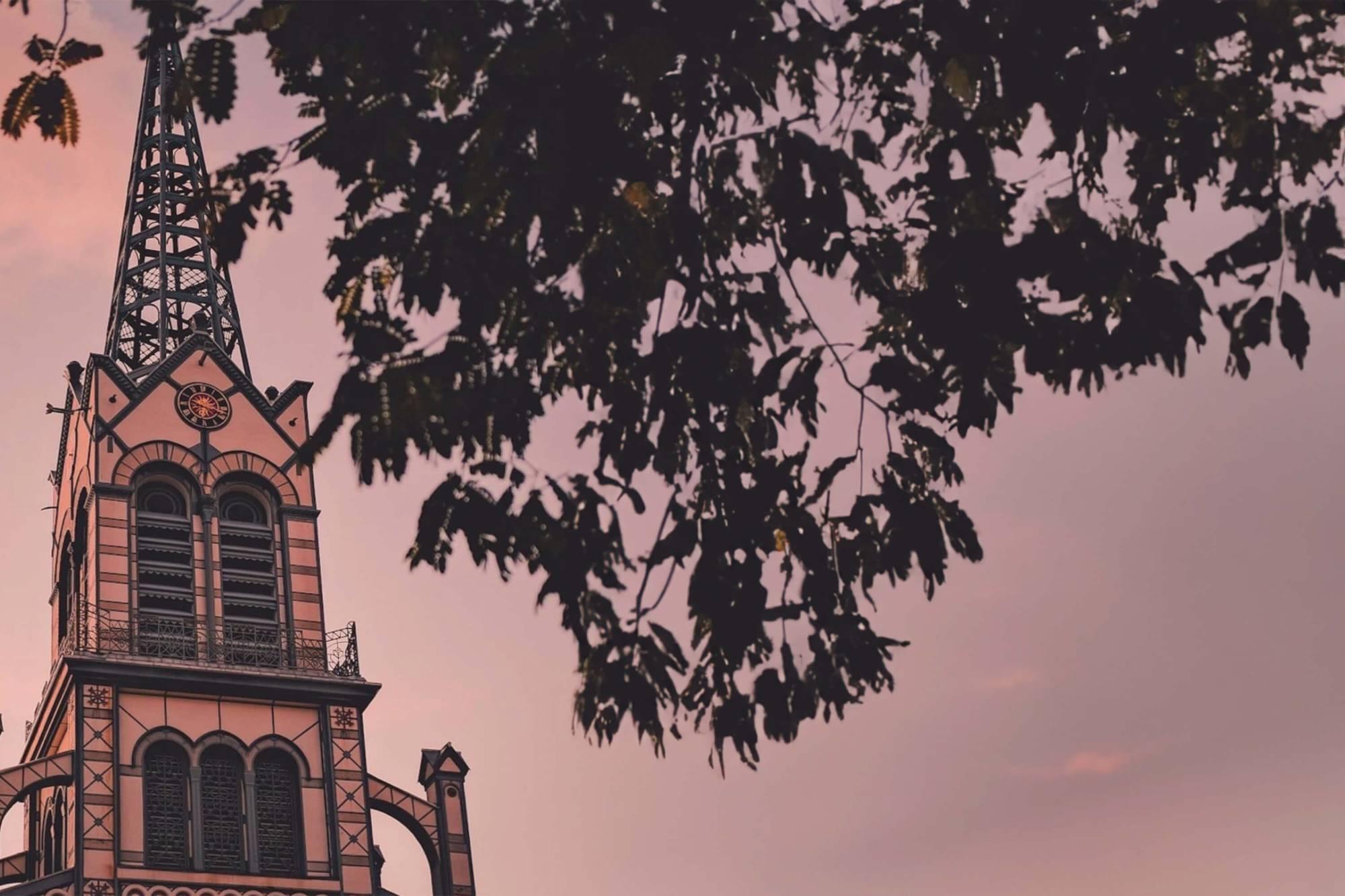
Two Catholic Cathedrals and a large number of parish churches illustrate the importance of Catholicism on the island. However, many religious communities also have their place here, including the Adventist Church and Jehovah's Witnesses.
Copyright © Martinique Promotion Bureau/CMT USA 1996 - 2008 All rights reserved
Copyright pictures by Jean-Marc Lecerf, David Sanger, Michel Bocandé